Shaping the Future of Urban Living at Banner Lane Apartments
From Cooperative Housing Roots to a Thriving Community
Once known as Sursum Corda, Banner Lane Apartments represents one of Washington, DC’s most significant community-driven redevelopment efforts — transforming a historic low-income housing cooperative into a modern, inclusive residential neighborhood.
Originally founded in the 1960s, the co-op was built on a model of collective ownership, limited-equity affordability, and resident-led governance. But by the 1980s, aging infrastructure and years of disrepair made reinvestment essential.
Today, through a multi-phase plan led by Toll Brothers — alongside deeply engaged collaboration with former residents, Mount Airy Baptist Church, and the National Park Service — the site is being reimagined as a vibrant, amenity-rich community that honors its legacy while meeting the needs of future generations.
Engineering a Connected, Community-Focused Urban Environment
Bohler DC played a critical role in bringing the Banner Lane vision to life by delivering site civil engineering, permitting, and stormwater management services tailored to the site’s uniquely complex urban conditions. The team successfully guided the project through DC’s Planned Unit Development (PUD) process, navigating steep grade changes, dense infrastructure constraints, and multifaceted stakeholder requirements to create a cohesive, high-functioning development within an active city environment.
This complex approval process required intensive coordination with the District Department of Transportation (DDOT), as the dedication of private land to public use triggered a separate and highly detailed review process.
Another major component of Bohler DC’s work included designing Banner Lane — a new private street built to perform like public infrastructure. This flexible, multiuse corridor not only supports essential vehicular and utility functions, but also doubles as a programmable community space for events such as farmers markets and neighborhood gatherings. Integrating this type of dual-purpose infrastructure required extensive coordination to balance durability, accessibility, and placemaking.
Supporting this innovative street design was significant wet utility work, including extensive utility improvements, abandonments, and coordination within a constrained urban environment. In addition, Bohler DC embedded stormwater systems seamlessly into public spaces — a necessity in a redevelopment with limited available open area and stringent urban stormwater regulations. This integrated approach enabled effective water management while preserving walkability and enhancing the overall community experience.
These infrastructure improvements demanded detailed roadway design and urban integration solutions to tie the site back into the surrounding street grid. Through careful engineering and collaboration, Bohler DC helped ensure that Banner Lane Apartments connects effortlessly with the broader neighborhood — supporting mobility, safety, and long-term functionality for residents and visitors alike.
Delivering Immediate Impact and Long-Term Growth
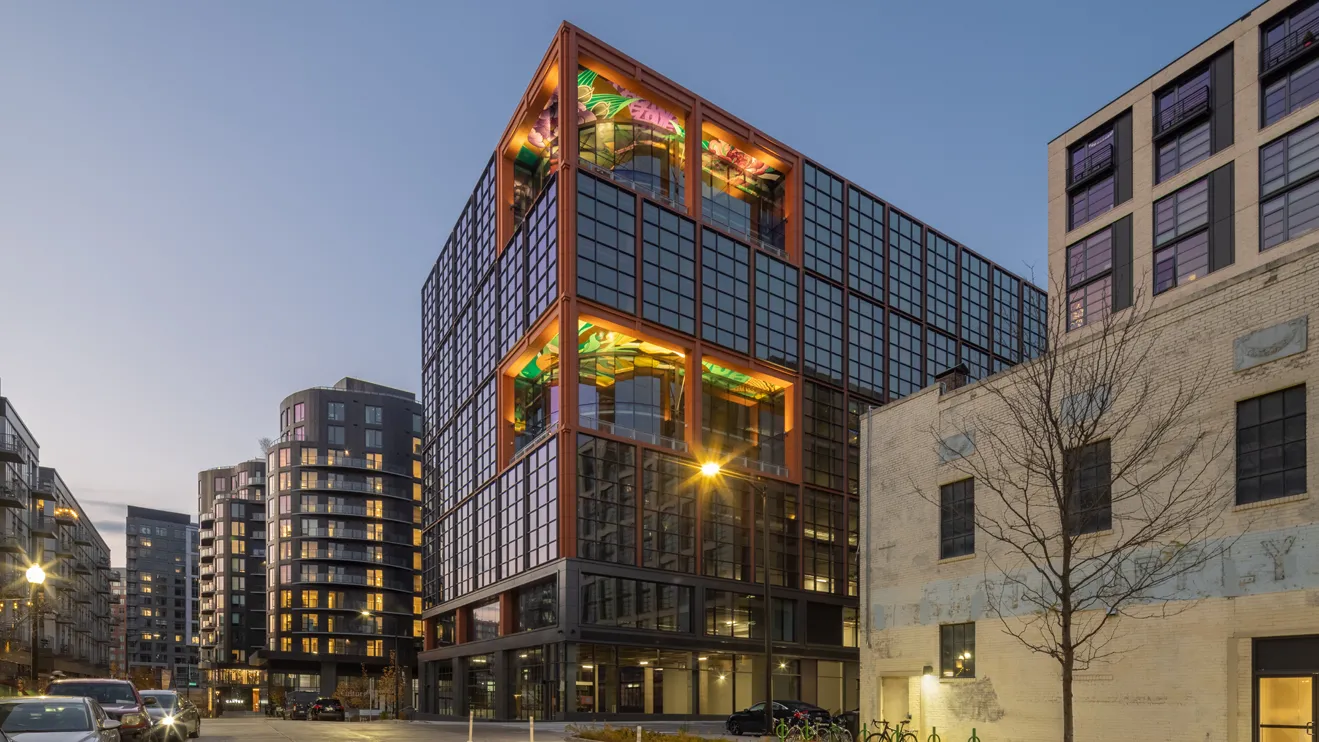
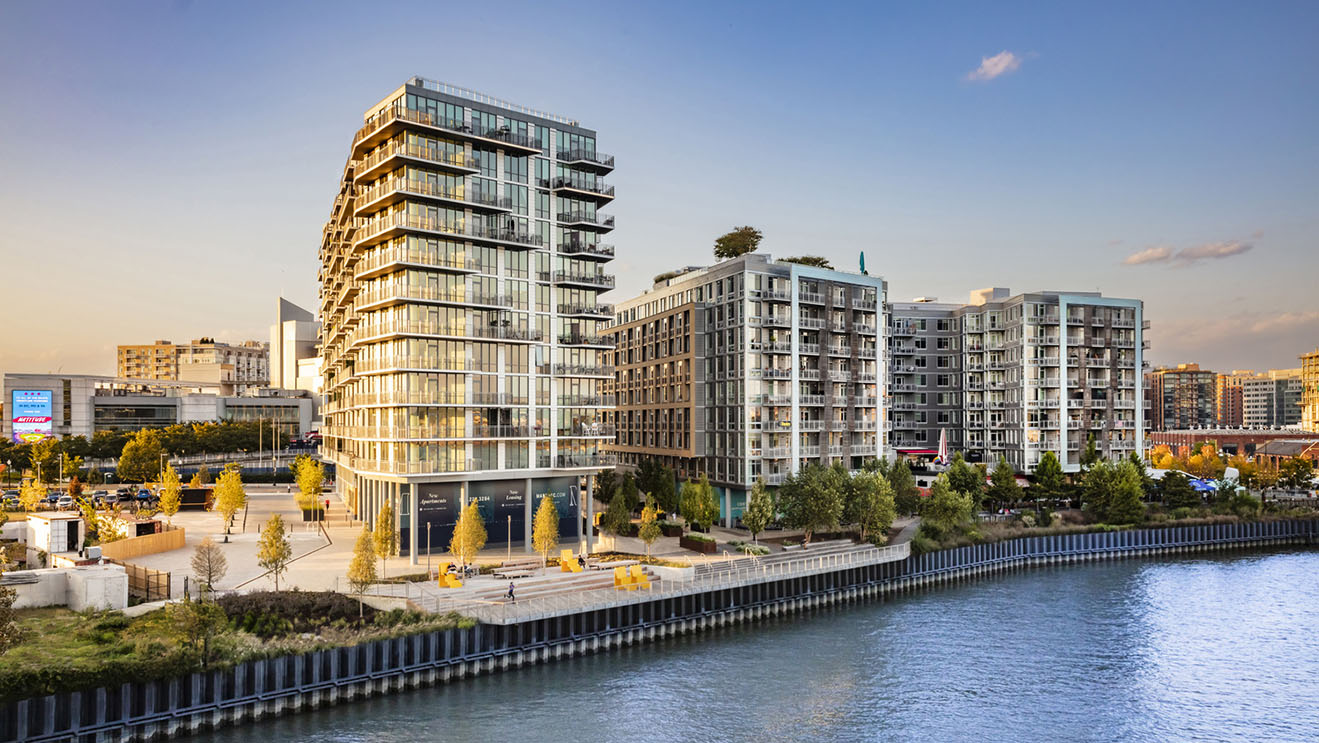
Phase I of the Banner Lane redevelopment laid the groundwork for a reimagined community by removing the aging Sursum Corda co-op buildings and constructing two new residential towers. This first phase introduced approximately 560 modern apartment homes, including 118 attainable units reserved for former residents — ensuring continuity and honoring the site’s legacy of community-centered housing. The phase also incorporated a dedicated senior housing component, a new park system, improved road connections, and the introduction of Banner Lane as a central organizing street and community space.
Future phases will build on this foundation, ultimately expanding the redevelopment to roughly 1,100 units with 199 attainable homes integrated across the neighborhood. As new buildings, amenities, and open spaces come online, the full buildout will complete the transformation into a mixed-income, highly connected residential community designed for long-term stability and growth.
With modern amenities, resilient infrastructure, and thoughtfully designed public spaces, Banner Lane sets a new standard for cooperative urban redevelopment. The project delivers meaningful benefits for residents — ranging from rooftop decks and fitness spaces to recreation areas and pet amenities — while also providing the broader community with welcoming shared places like The Lawn, amphitheater seating, and a pedestrian promenade. Anchored by strong partnerships and a vision rooted in inclusivity, the redevelopment demonstrates how public-private collaboration can transform a historic neighborhood into a vibrant, connected, and future-ready community.